Certified Arborist Services: Expert Landscape Tree Services for Healthier Landscapes
An arborist with certification plays a essential role in maintaining thriving outdoor spaces. These experts possess extensive knowledge in tree biology, offering tailored treatment adapted to individual needs. From careful trimming to disease control, their expertise guarantees trees thrive. Recognizing the significance of tree health assessments is essential for homeowners. However, the process of selecting the right arborist and the methods they use can be complex. What should one consider when pursuing professional help?
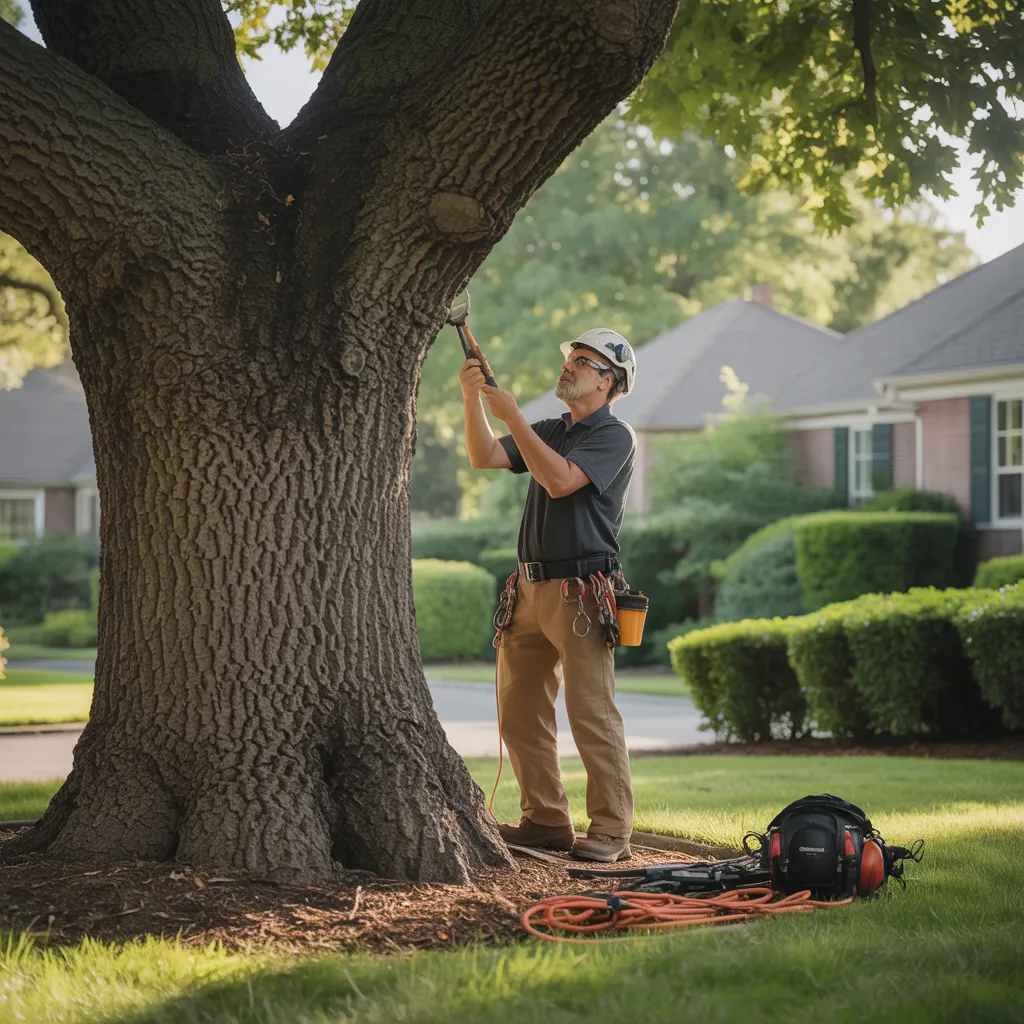
What Is a Certified Arborist and Why Do You Require One?
What defines a certified arborist, and why is their knowledge crucial for tree care? A certified arborist is an professional who has completed rigorous instruction and assessment in tree biology, care, and management. They possess a deep comprehension of tree species, growth patterns, and diseases, discover here enabling them to make sound decisions about tree health and maintenance. Certification from a recognized organization, such as the International Society of Arboriculture, guarantees that these professionals comply to industry standards and best practices.
The necessity for certified arborists emerges from the difficulty involved in tree care. Trees are indispensable to ecosystems, supplying advantages including cooling cover, homes for wildlife, and cleaner air. Neglectful care can produce damage or regression, influencing both the trees and the neighboring environment. By consulting with a certified arborist, companies and individuals can confirm that their trees obtain expert care, supporting longevity and health while lowering dangers connected with tree care practices.
Critical Services Delivered by Certified Arborists
Certified arborists deliver a range of important offerings fundamental for maintaining tree health and well-being. Two primary services include specialized tree pruning methods, which boost growth and structural soundness, and effective pest management strategies that safeguard trees from harmful pest invasions. These offerings are essential for preserving the ecological equilibrium and guaranteeing the durability of trees in various landscapes.
Tree Trimming Strategies
The role of effective tree pruning techniques is crucial in maintaining tree health and aesthetics. Certified arborists apply varied methods to ensure optimal growth and durability. Thinning entails selectively cutting branches to boost air circulation and light penetration, thereby improving overall tree health. Crown reduction limits the height and spread of trees while retaining their structure, which is vital for urban settings. Deadwooding involves removing dead or diseased branches to stop decay and pest invasion. Additionally, shaping aids in developing a natural shape, boosting attractiveness. Each procedure demands knowledge of tree biology and growth patterns, assuring that pruning benefits instead of damaging the tree. These skilled practices greatly enhance healthier landscapes and the lifespan of trees within them.
Pest Management Methods
Pest management approaches are crucial for preserving the well-being of trees and landscapes. Certified arborists employ a range of techniques to detect, track, and manage pest populations effectively. These strategies often start with a comprehensive assessment of the environment, allowing arborists to establish the presence of harmful pests and assess tree health. Integrated Pest Management (IPM) is a common approach, merging biological, cultural, and chemical methods to reduce damage while fostering ecological balance. Additionally, arborists educate property owners on preventative measures, such as proper watering, mulching, and tree selection. Regular monitoring and early intervention are critical components, ensuring that pest issues are addressed before they escalate. This preventive management promotes healthier trees and contributes to vibrant landscapes.
Why Are Tree Health Assessments Significant?
While numerous homeowners value the aesthetic charm and ecological benefits of trees, comprehending the significance of tree health assessments is crucial for preserving their vigor. Tree health assessments deliver a thorough analysis of a tree's condition, spotting potential risks and hidden complications that may not be immediately visible. These assessments enable arborists to discover diseases, pest infestations, and structural deficiencies early, facilitating timely action.
Ongoing inspections can also inform appropriate maintenance practices, ensuring that trees obtain appropriate nourishment, water, and pruning. Additionally, healthy trees contribute to improved air quality, boosted property value, and increased biodiversity. By prioritizing tree health inspections, homeowners can take well-informed decisions that foster the durability and strength of their landscapes. In the end, these preventive measures not only protect individual trees but also strengthen the overall health of the ecosystem, helping both the property and the community at large.
Picking the Correct Arborist Suited to You
When selecting an arborist, homeowners should assess multiple points to ensure they receive quality tree care solutions. First, checking credentials is vital; certified arborists hold the expertise and knowledge required for effective tree maintenance. Homeowners should also consider the arborist's experience and focus, especially in areas important to their specific trees and property.
Moreover, obtaining recommendations and client reviews can provide clarity into the arborist's track record and dependability. Transparency in pricing and services offered is important; a reputable arborist will provide clear estimates and communicate essential care options.
An critical component is the tools and approaches utilized, because modern tools and practices can significantly shape tree vitality. Finally, reviewing the arborist's communication proficiency can ensure that homeowners stay informed and comfortable as the work progresses. When taking into account these factors, homeowners can determine informed solutions that support healthier trees and landscapes.
Pruning Methods From Professional Arborists
Pruning is necessary for preserving the health and beauty of trees. Experienced professionals apply different techniques to guarantee successful pruning outcomes, which promote growth and prevent disease. Comprehending these methods allows property owners to appreciate the value of professional tree care.
The Essential Nature Of Branch Removal
Quality tree care is centered on the skilled application of pruning techniques, as professional arborists grasp the essential importance this approach contributes to maintaining tree health. Pruning not only enhances the visual beauty of trees but also promotes healthier growth by enabling sunlight and air to penetrate the canopy. It removes dead or diseased branches, preventing the spread of pests and diseases, which can jeopardize the overall health of the tree. Additionally, strategic trimming reinforces structural integrity, lowering the risk of branch failure during storms. By crafting better shape and balance, arborists confirm trees can thrive in their environment, ultimately boosting to a healthier landscape. Therefore, the importance of pruning cannot be understated in any thorough tree care program.
Techniques For Efficient Pruning
Mastering trimming methods is essential for certified arborists aiming to optimize tree health and aesthetics. Among the most effective methods is the selective pruning, which removes select branches to improve light penetration and air circulation. The reduction heading, on the other hand, stimulates new growth by reducing the height of a tree. Additionally, the size reduction method minimizes tree size while maintaining its shape and structure. Arborists emphasize the value of timing, recommending pruning during dormancy to lessen stress on the tree. Proper tools, such as sharp shears and saws, guarantee clean cuts, decreasing the risk of disease. Ultimately, utilizing these techniques encourages robust tree development and enhances the overall landscape.
Year-Round Tree Care From Certified Arborists
Providing consistent tree care all year long is critical to sustaining the health and vigor of trees. Certified arborists are fundamental in this ongoing effort, delivering specialized services adapted to the specific needs of trees in each season. During spring, they assess tree growth and execute fertilization plans to strengthen vitality. Summer requires arborists to survey for pests and diseases, guaranteeing timely intervention to minimize risks. Come fall, their focus is on pruning dead or diseased limbs, which improves air circulation and light penetration. Winter inspections help in preparing trees for harsh weather, emphasizing structural integrity. Certified arborists also supply valuable advice all year on watering, mulching, and other care practices, promoting a holistic approach to tree health. This comprehensive care protects that trees thrive, contributing to the overall beauty and resilience of landscapes.
Lasting Advantages of Expert Tree Care
Professional tree care presents noteworthy long-term benefits that transcend immediate aesthetic improvements. Engaging certified arborists ensures that trees obtain expert inspections, appropriate pruning, and health observation, which contribute to their condition and longevity. Healthy trees not only improve property value but also increase air quality and provide shade, reducing energy costs.
Investing in skilled expertise minimizes the risks tied to pest infestations and diseases, ultimately decreasing maintenance costs over time. Moreover, carefully maintained trees are less prone to suffer from storm damage, protecting both property and surrounding landscapes.
In urban settings, trees support biodiversity and form living spaces for wildlife. By developing a thriving ecosystem, professional tree care advances environmental sustainability. Overall, the long-term benefits of expert tree management are multifaceted, enriching both personal spaces and the broader community, making it a valuable decision for property owners.
Typically Inquired Questions
What Is the Typical Cost of Qualified Tree Expert Services?
Expert arborist solutions commonly range between $75 to $1,500, subject to elements such as tree size, service type, and location. Homeowners should obtain numerous estimates to confirm fair pricing for required tree care.
Are Professional Tree Specialists Insured and Licensed?
Certified arborists are generally expected to be both licensed and insured. This ensures that they adhere to industry standards and regulations, giving clients with confidence regarding the professionalism and safety of their services.
What Qualifications Do Certified Arborists Obtain?
Certified arborists commonly hold a credential in forestry, horticulture, or a comparable field. They are required to pass an assessment and maintain continuing education, ensuring they maintain modern knowledge and skills in woodland stewardship.
How often Should Trees Be checked by an Arborist?
Trees ought to be examined by an arborist every three to five years, or more frequently if signs of stress, disease, or damage surface. Consistent assessments assure ideal health and safety within the landscape environment.
Can Certified Arborists Assist With Pest Management?
Certified arborists can assist with pest control without question. They assess tree health, recognize pest issues, and recommend appropriate solutions, ensuring trees remain healthy and strong against infestations while encouraging overall landscape robustness and sustainability.